AJL-MX-32KW


Key Features
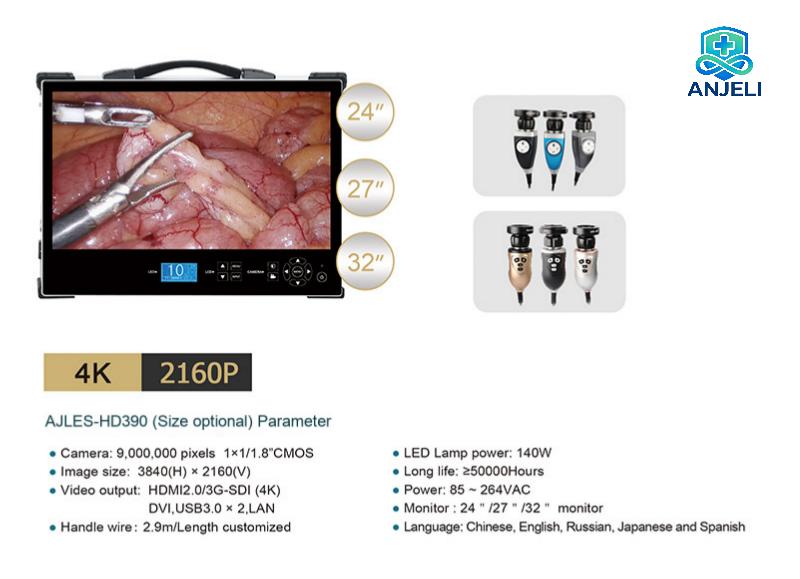
Ultra-High Definition 4K Imaging – Delivers exceptional clarity, precision, and depth of field for superior surgical visualization.
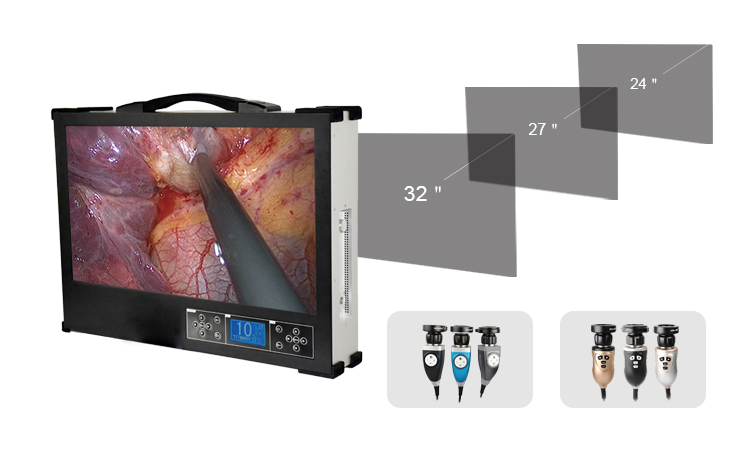
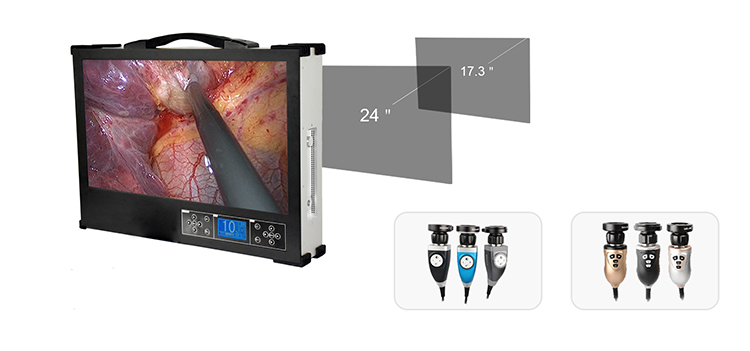
All-in-One Compact Design – Integrates a 4K camera head, LED light source, and image processor into a single, portable unit, reducing clutter and enhancing efficiency.
Powerful LED Illumination – Provides bright, consistent lighting for optimal visibility during procedures.
Stunning Color Accuracy – Advanced image processing ensures true-to-life colors for accurate tissue differentiation.
Broad Endoscope Compatibility – Supports a wide range of rigid endoscopes (laparoscopes, arthroscopes, etc.) for versatile clinical applications.
Space-Saving & Portable – Streamlined design ideal for operating rooms and clinics with limited space.
Seamless 4K Monitor Integration – Directly outputs high-quality imaging to compatible 4K displays for real-time viewing.
User-Friendly Operation – Simplified setup and intuitive controls enhance workflow efficiency.
Applications
Respiratory surgery
Thoracoscopy: It is used for the diagnosis and treatment of thoracic diseases, such as the etiology diagnosis of pleural effusion, the staging of lung cancer, and the diagnosis of pleural diseases. In thoracoscopic surgery, the 24-inch integrated endoscopic camera system can provide doctors with a clear surgical field of view to assist in lobectomy, mediastinal tumor resection and other operations.
Urinary system
Cystoscopy: It is an important method to diagnose bladder diseases, such as cystitis, bladder stones, bladder tumors, etc. The doctor observes the situation in the bladder through the cystoscope, and can also perform cystoscopic treatment, such as bladder stone lithotripsy, bladder tumor resection and so on.
Ureteroscopy: It can be used to diagnose and treat ureteral diseases, such as ureteral calculi and ureteral stricture. When lithotripsy is performed under ureteroscope, the camera system can help doctors to operate accurately, improve the success rate of operation and reduce complications.
Gynecology
Hysteroscopy: It is used to diagnose and treat lesions in the uterine cavity, such as endometrial polyps, uterine fibroids, uterine adhesions, and uterine malformations. In hysteroscopic surgery, the doctor can perform precise manipulation based on the image on the display screen to remove the diseased tissue and preserve the normal function of the uterus.
Laparoscopy: widely used in the diagnosis and treatment of gynecological diseases, such as ovarian cysts, uterine fibroids, endometriosis and so on. Laparoscopic surgery has the advantages of less trauma and quick recovery, and the 24-inch integrated endoscopic camera system can provide a clear view of the operation to ensure the safety and accuracy of the operation.
Ear, nose and throat
Nasal endoscopy: can clearly observe the structure and lesions of the nasal cavity and sinuses, such as sinusitis, nasal polyps, nasal tumors, etc., to provide basis for the diagnosis and treatment of diseases. In nasal endoscopic surgery, it helps doctors accurately remove diseased tissue and retain normal nasal structure and function.
Laryngoscope: Used to examine the lesions of the larynx, such as vocal cord polyps, vocal cord nodules, laryngeal cancer, etc. For some laryngeal diseases, minimally invasive surgery can also be performed under laryngoscope, such as vocal cord polypectomy.